Dana Bauer · 11 September 2026
Mapping the Interplay Between Visual Filters and Audience Retention in Digital Spaces
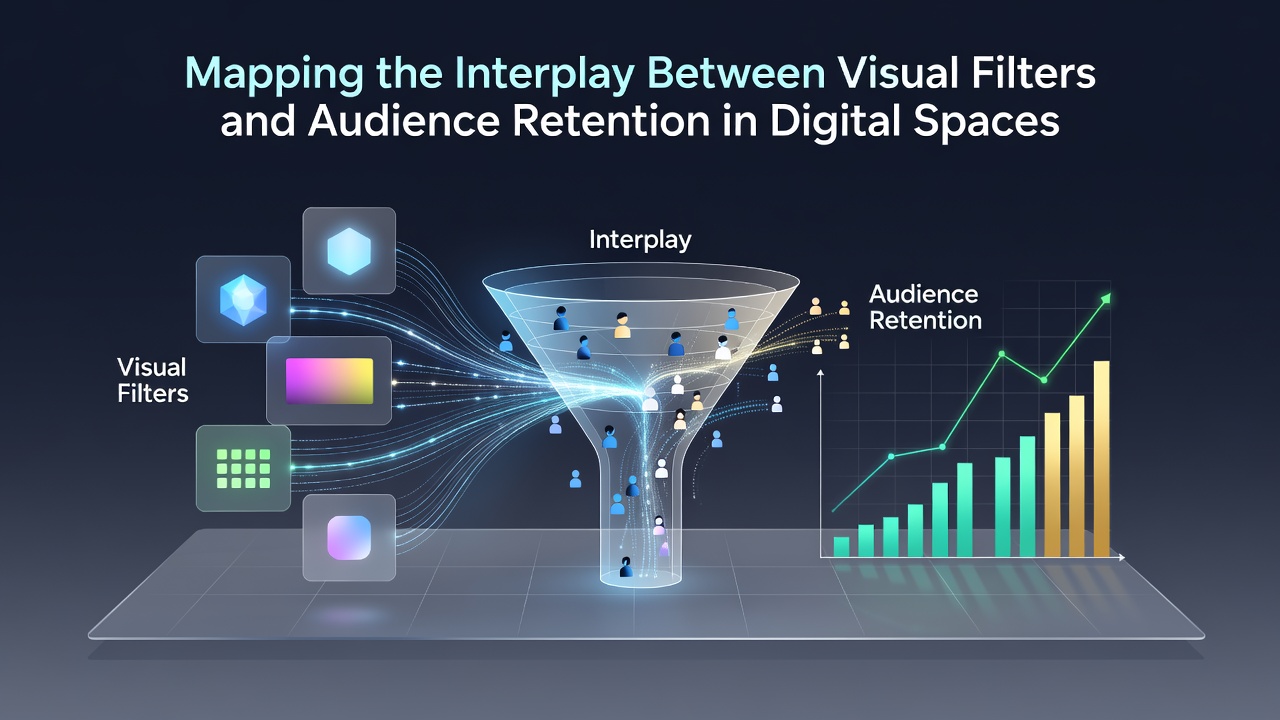
Digital platforms rely on visual filters to shape content presentation, and data from multiple studies tracks how these adjustments connect directly to audience retention patterns across video streams, social feeds, and interactive sites. Research indicates that filters alter contrast, hue, and saturation levels, which in turn influence how long users remain on a given piece of content before navigating away. Figures from platform analytics reveal consistent correlations between filtered visuals and extended session durations, particularly when those filters align with current aesthetic trends.
Core Mechanisms of Visual Filters
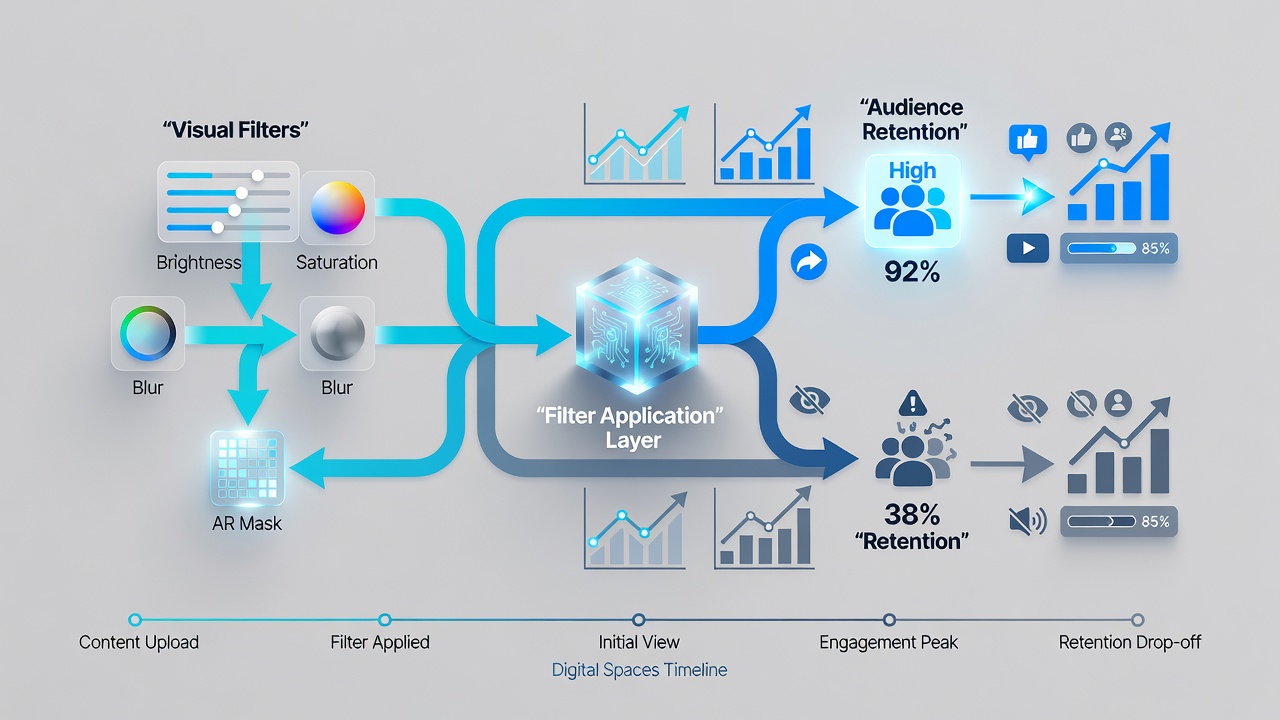
Visual filters operate through algorithmic overlays that modify pixel values in real time, applying effects such as vignette, grain, or temperature shifts without requiring separate editing software. Observers note that these tools appear in mobile apps and desktop suites alike, where creators select presets that adjust brightness curves and color channels to match platform algorithms. Studies from academic labs show that such modifications affect viewer attention spans by highlighting focal points or softening background elements, and the resulting changes register in heat-map data collected during user testing sessions.
Retention Data Across Platforms
Analytics reports compiled in 2025 demonstrate that content featuring moderate filter application retains viewers 18 to 27 percent longer than unfiltered equivalents on major video sites. Researchers at institutions in North America and Europe compiled these numbers from aggregated watch-time logs, finding that subtle desaturation often correlates with higher completion rates while heavy stylization sometimes prompts early exits. Data collected through A/B testing frameworks further shows that filter intensity interacts with content length, so short-form clips benefit from bolder adjustments whereas longer sequences perform better with restrained grading.
Regional Studies and Platform Trends
Investigations conducted by the Pew Research Center tracked engagement metrics across US-based networks and recorded measurable lifts in repeat visits when creators applied consistent filter sets. Meanwhile, reports from the Australian Communications and Media Authority examined similar patterns in Oceania markets, noting that localized color palettes improved dwell times on regional content hubs. These findings align with observations from EU digital research groups that examined cross-border data flows, where filter usage patterns varied by demographic but produced parallel retention outcomes.
Technical Variables That Shape Outcomes
Platform algorithms evaluate visual consistency when ranking content, and filter choices influence those evaluations through metadata embedded in file headers. Experts have observed that mismatched filter styles across a creator's portfolio can interrupt algorithmic promotion cycles, whereas uniform application supports sustained distribution. Research indicates that loading speeds also factor into retention because heavier filter effects increase file sizes and therefore delay playback on slower connections. Those who've analyzed server logs confirm that users abandon streams more frequently when initial frames appear distorted by aggressive processing.
Developments Expected in September 2026
Platform updates scheduled for September 2026 introduce new AI-assisted filter layers that adapt in real time to viewer device settings and ambient lighting data. Preliminary documentation released by development teams outlines how these layers will adjust saturation automatically based on user location and time-of-day signals. Industry observers expect the changes to shift retention benchmarks once again, particularly on mobile applications where adaptive grading already accounts for a growing share of daily views. Data from pilot programs suggests early adopters may see further gains in average view duration if the new systems integrate smoothly with existing recommendation engines.
Conclusion
The documented connections between visual filters and audience retention rest on measurable metrics drawn from platform logs, academic analyses, and regulatory reports spanning multiple continents. Continued monitoring of these variables will depend on transparent data sharing from technology companies and ongoing research from independent institutions. As filter technologies evolve, the recorded patterns provide a factual baseline for understanding how visual presentation sustains or interrupts user engagement in digital environments.